Menghai Yulin Guchafang Tea Co., Ltd.
The production and management aspects of this tea-industry study were explored through a visit to Yulin Guchafang.
Yulin Guchafang includes a factory, operations facilities and an ancient-tree tea estate, covering approximately 500 mu. Phase I came into use in 2015 and Phase II in 2021. The company has around 500 production and management staff.
The factory has four production lines: raw pu’er, ripe pu’er, white tea and black tea.
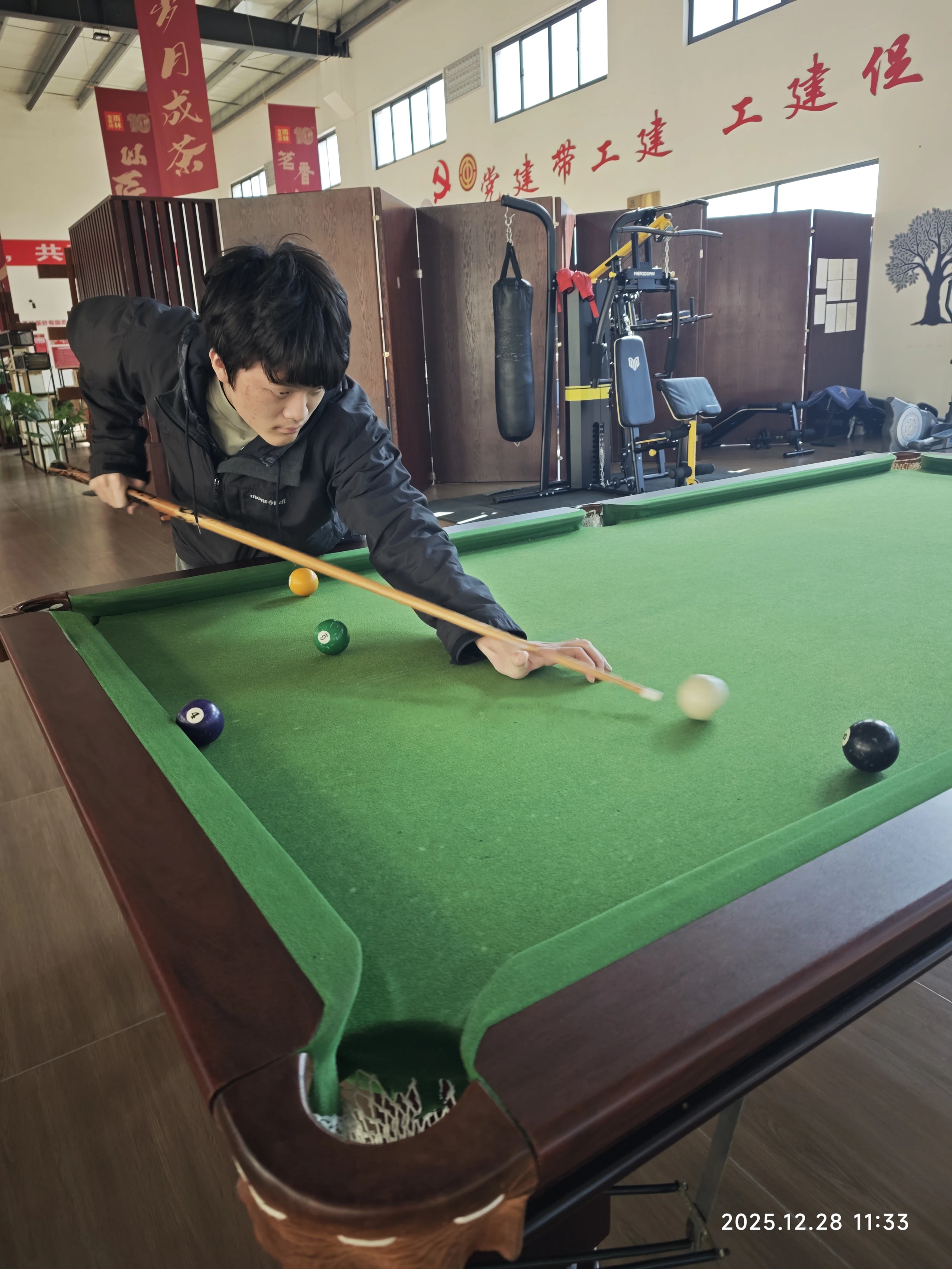
The factory also provides staff accommodation, a canteen, and cultural, fitness and recreational facilities. Considerable attention is given to employees’ interests and welfare.
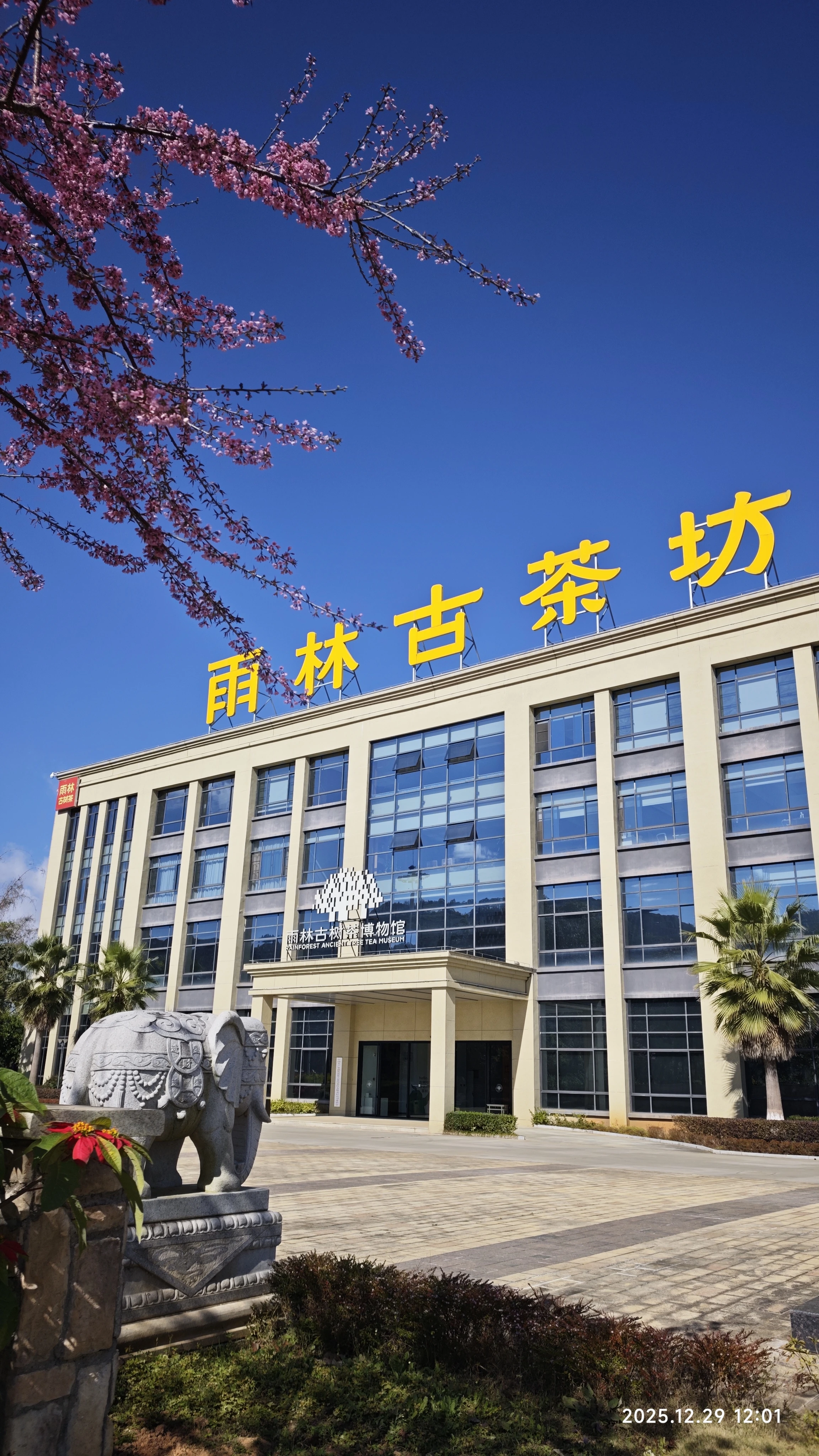
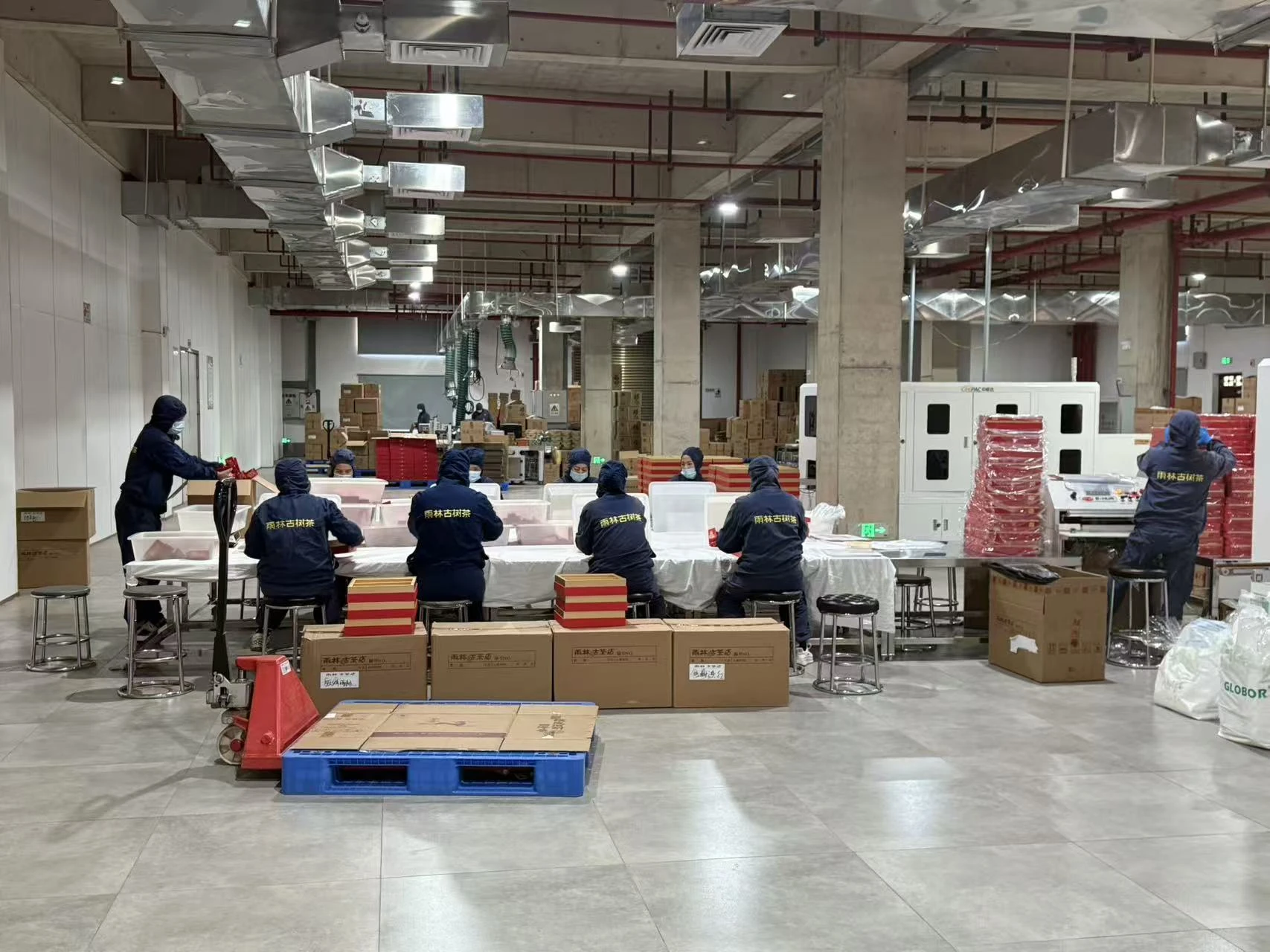
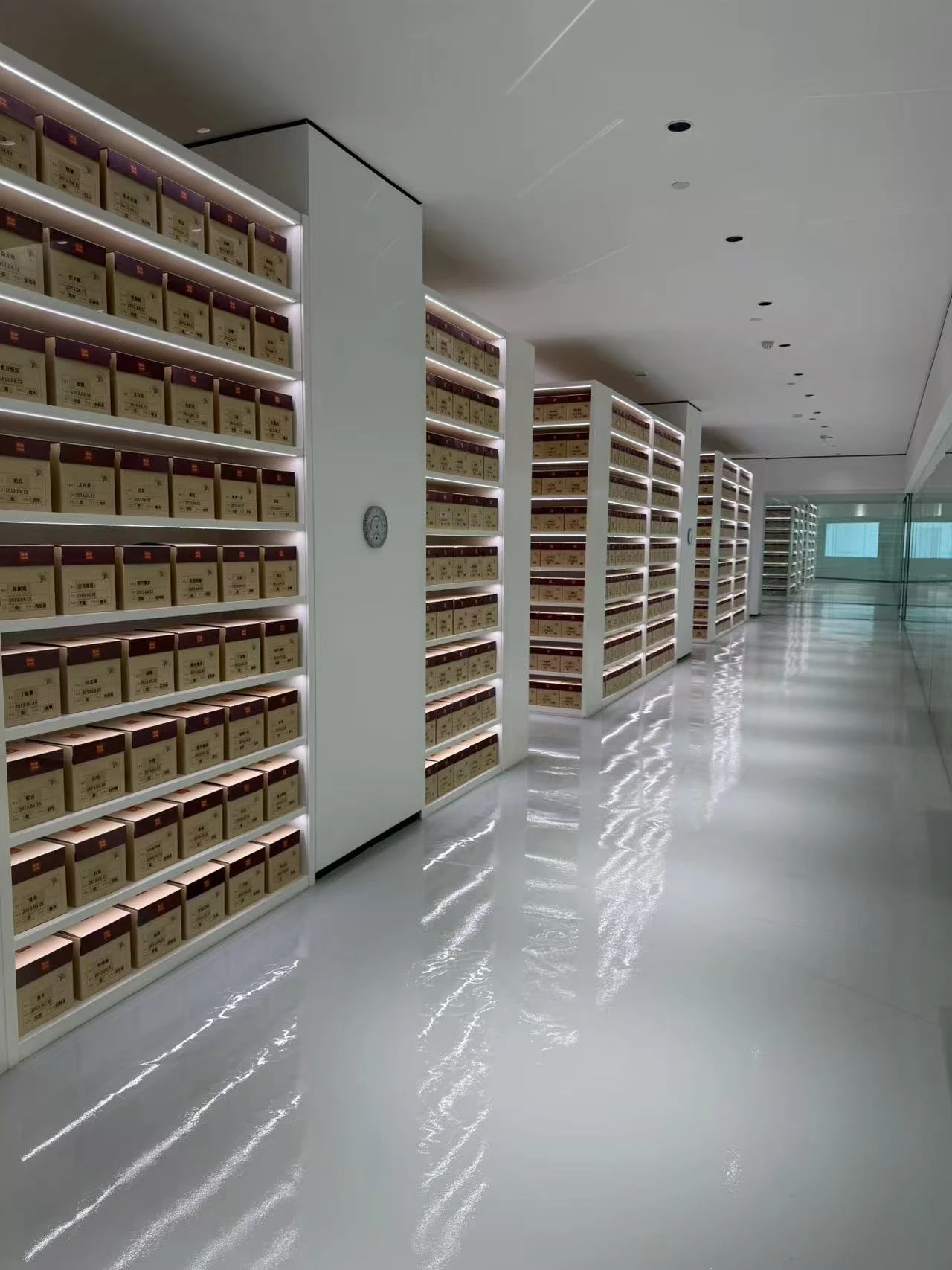
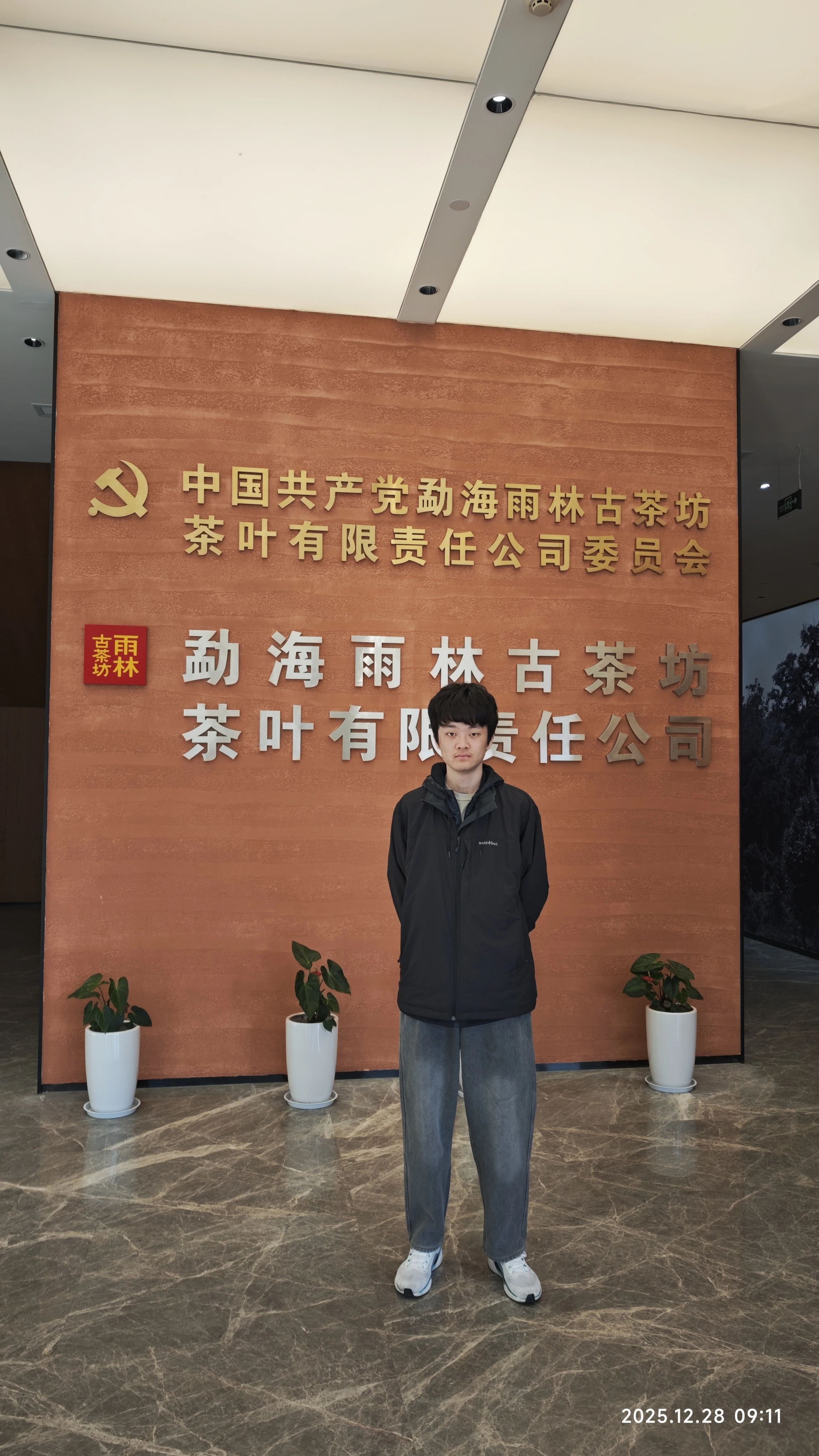
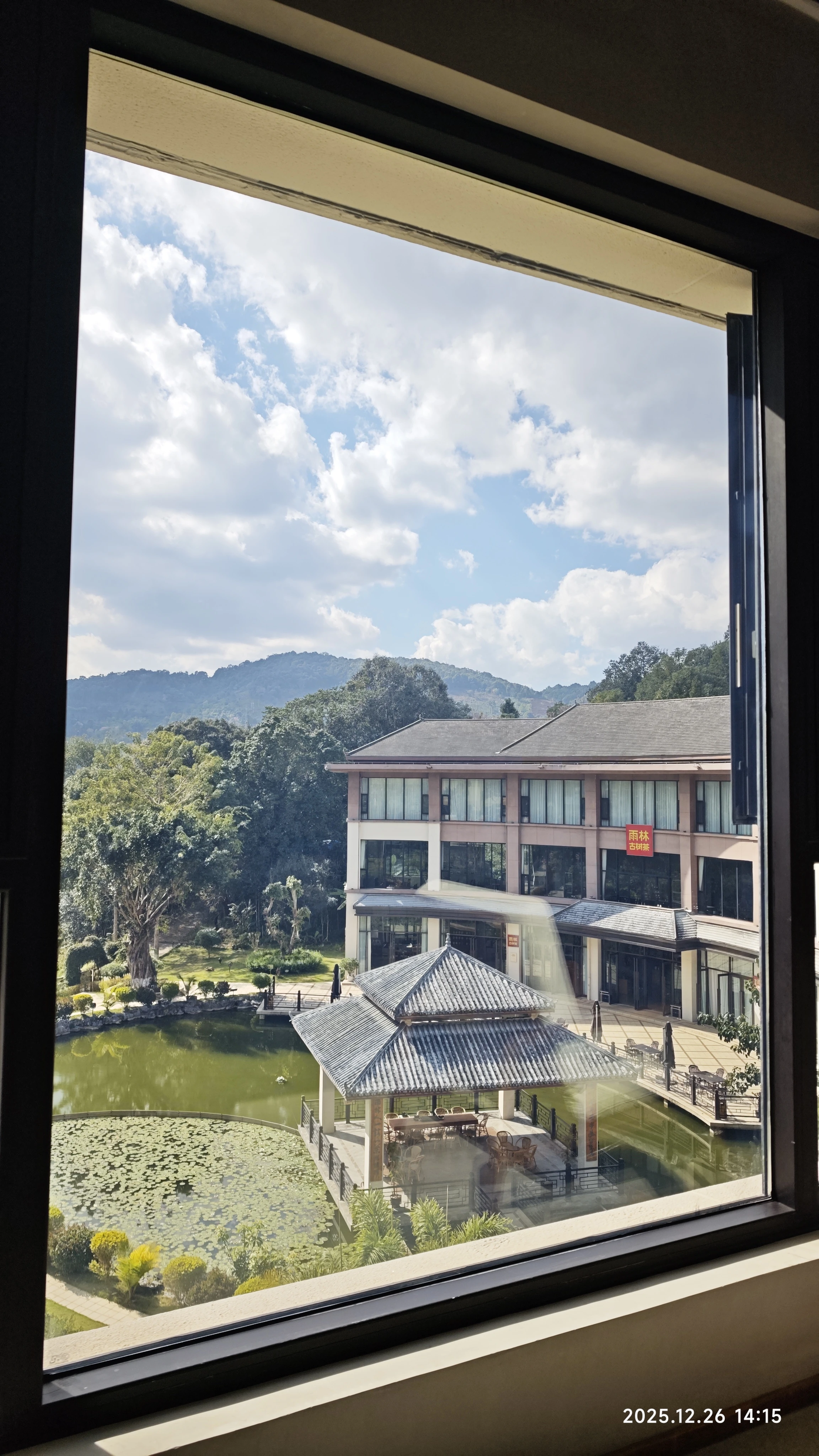
The factory’s spacious cultural, fitness and recreation rooms are well equipped, reflecting the company’s investment in employee welfare.
The Natural Environment of Menghai
Menghai County in Xishuangbanna lies at elevations of 1,500–2,500 metres. Predominantly mountainous, with forest coverage exceeding 90%, its natural environment is well suited to tea cultivation. Local residents began planting tea on a large scale in the Ming dynasty, around 1368, and the area became one of China’s major tea-producing regions.
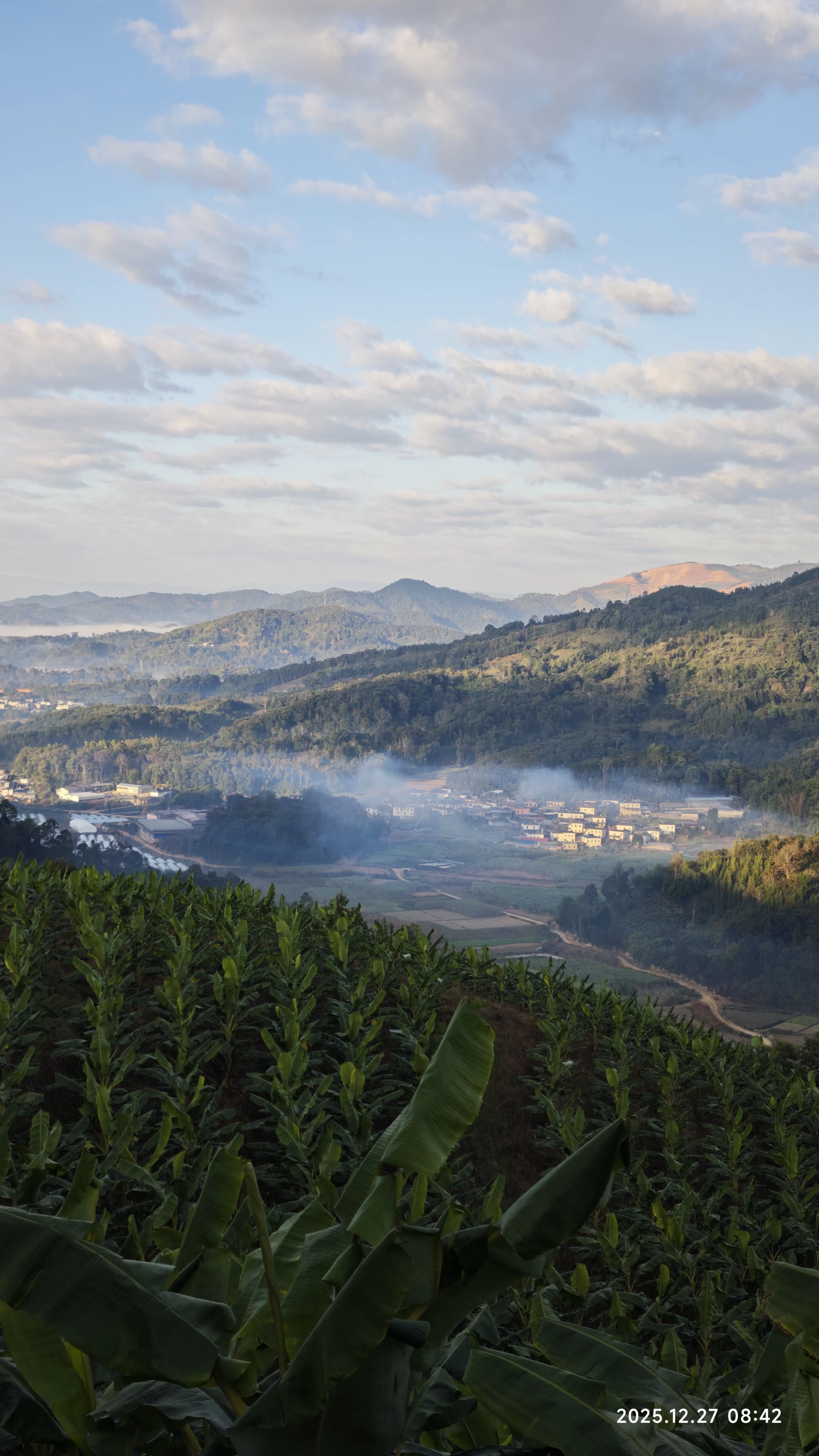
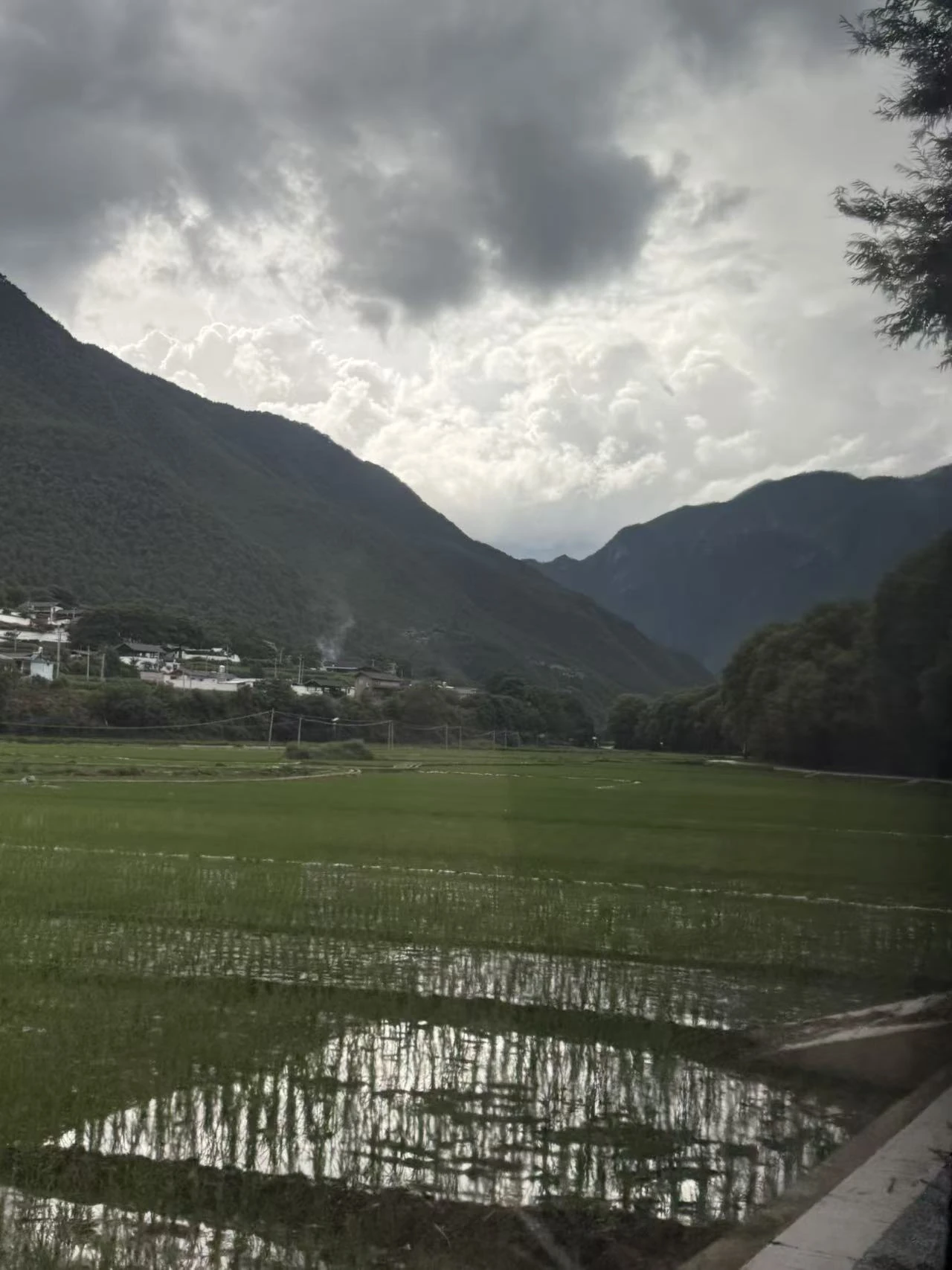
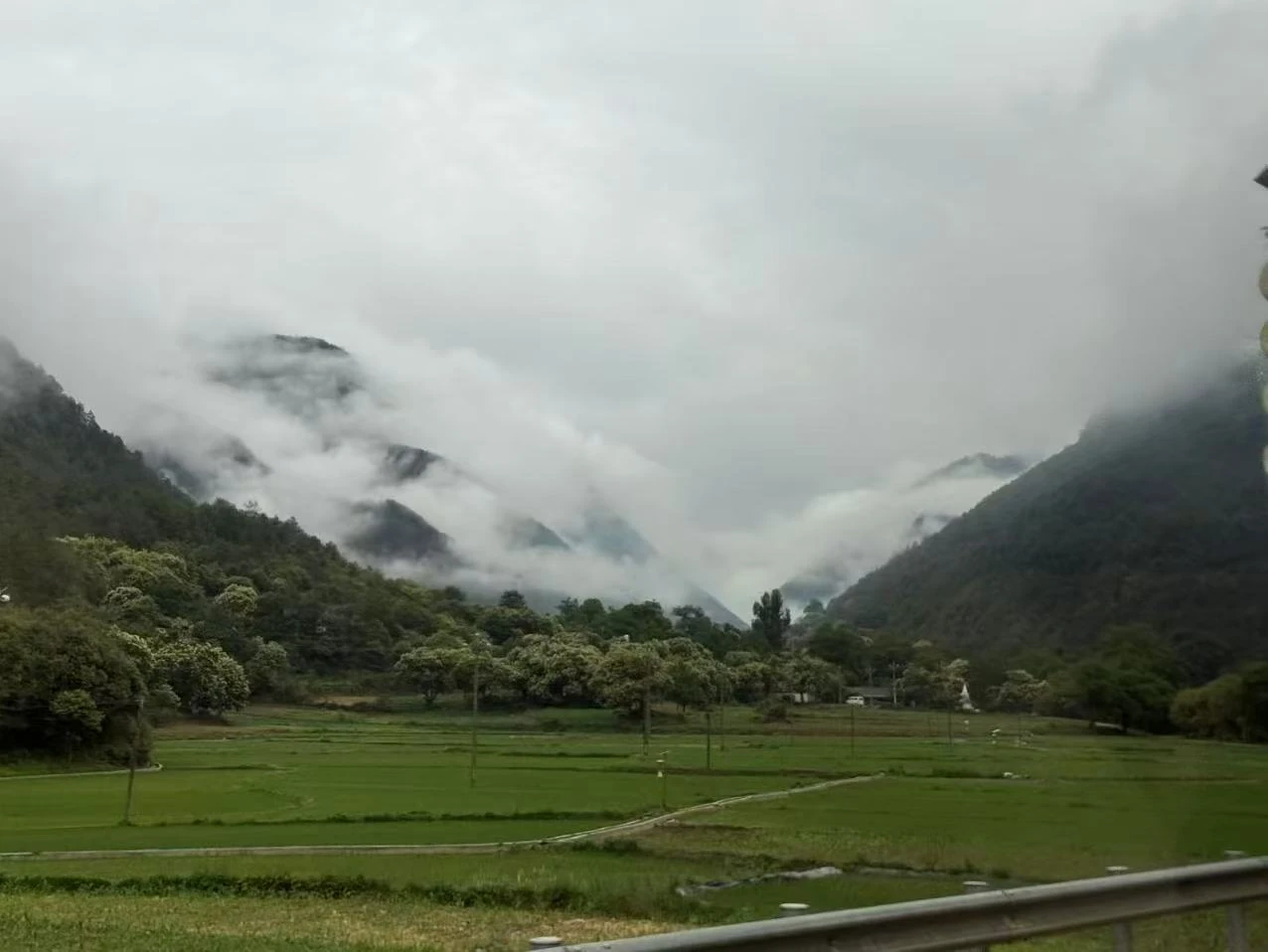
These photographs show the landscape of Menghai: mountain ranges, drifting mist and abundant evergreen vegetation, with little industrial development.
The area is suited to cultivation, agriculture and leisure travel.
Tea Mountains and Ancient Trees
Large-scale tea cultivation on the hillsides along both banks of the Lancang River in Menghai began in the early Ming dynasty, around 1368. One ancient tree, known as the ‘King of Tea Trees’, is estimated to be 500–600 years old.
Yunnan tea is predominantly of the large-leaf variety. Under the Chinese urban landscape-protection standards cited in the research, trees aged 100 years or more are considered ‘ancient’. Tea trees of that age are therefore described as ‘ancient tea trees’.

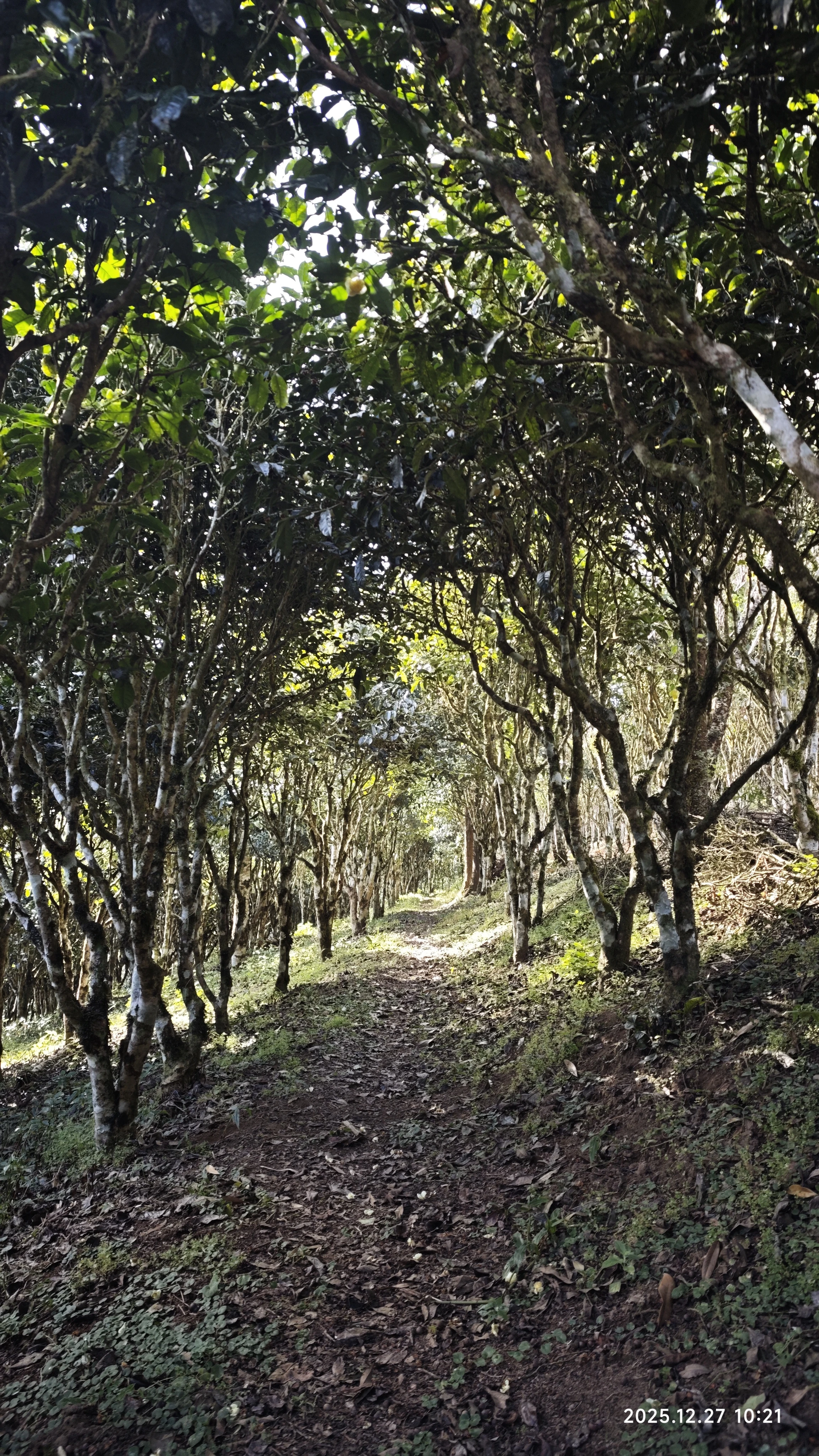
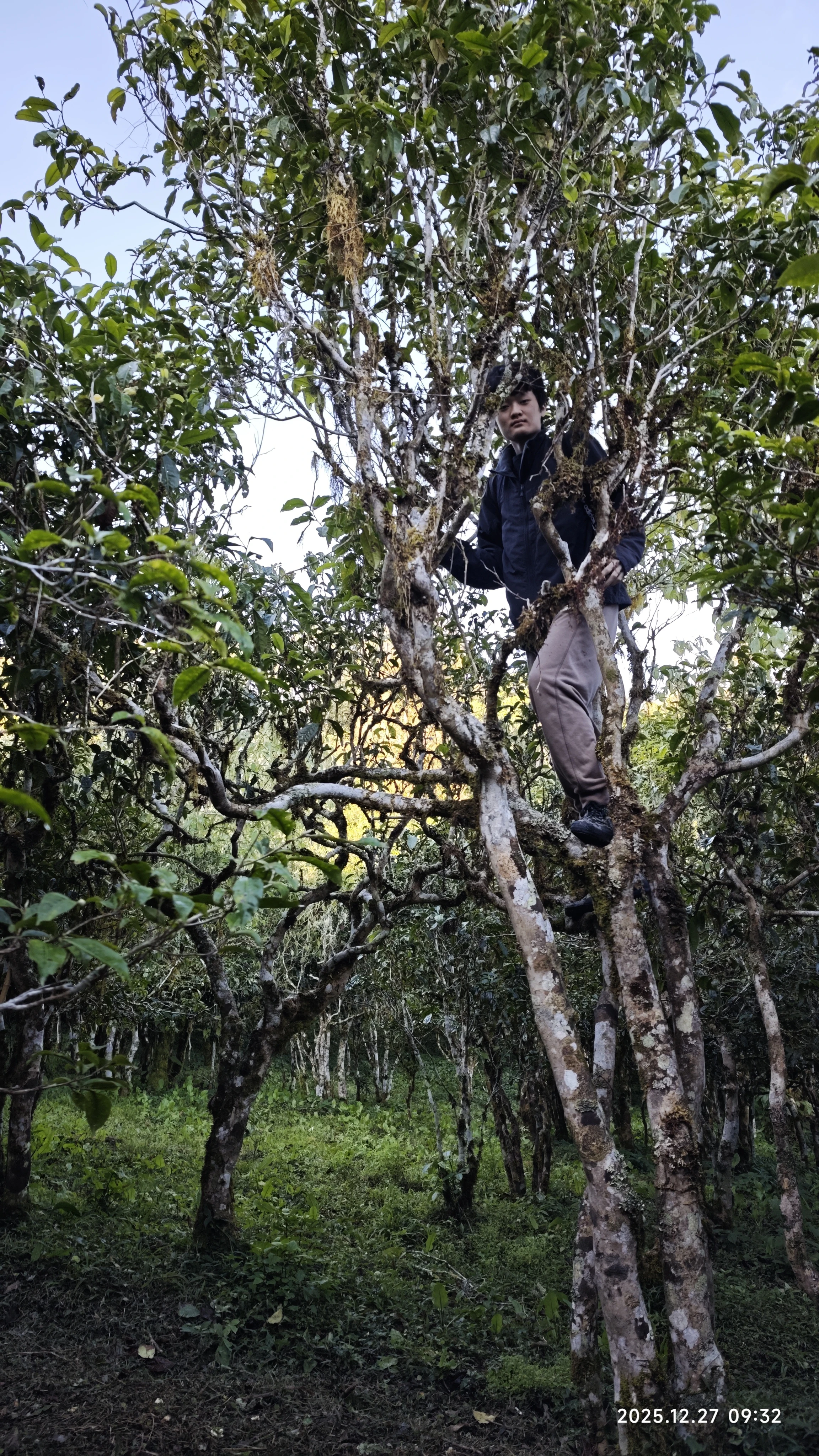
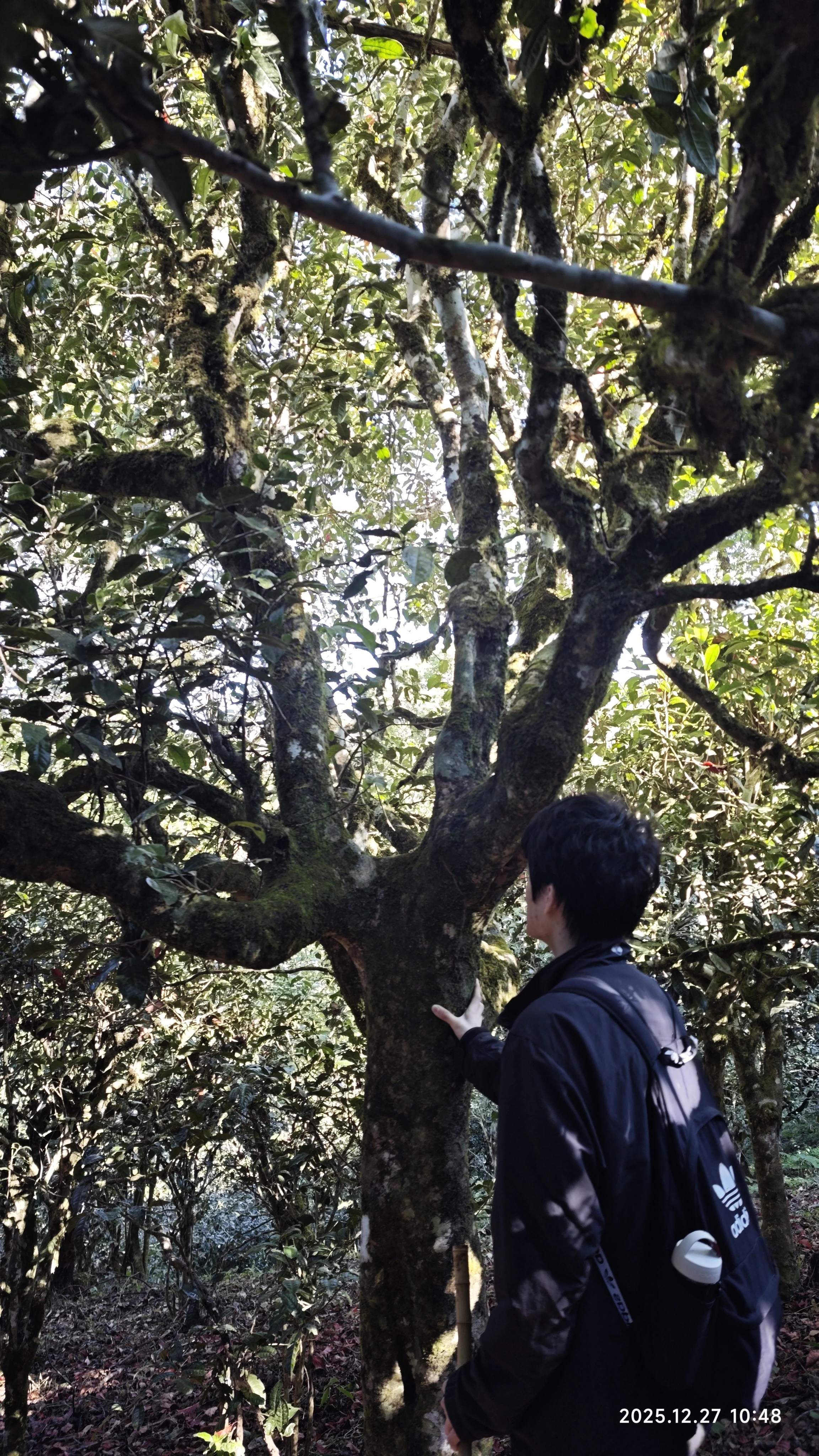
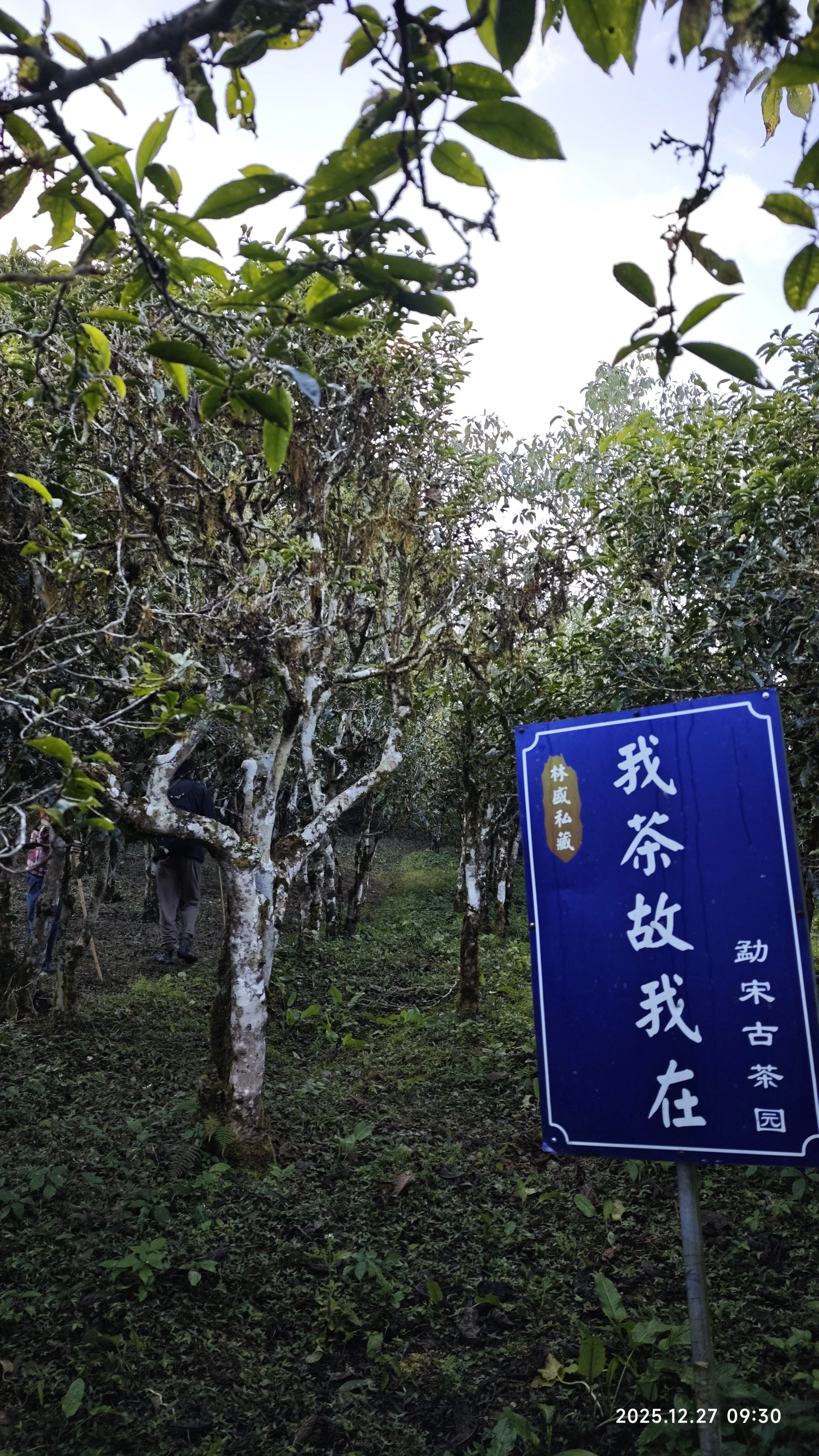
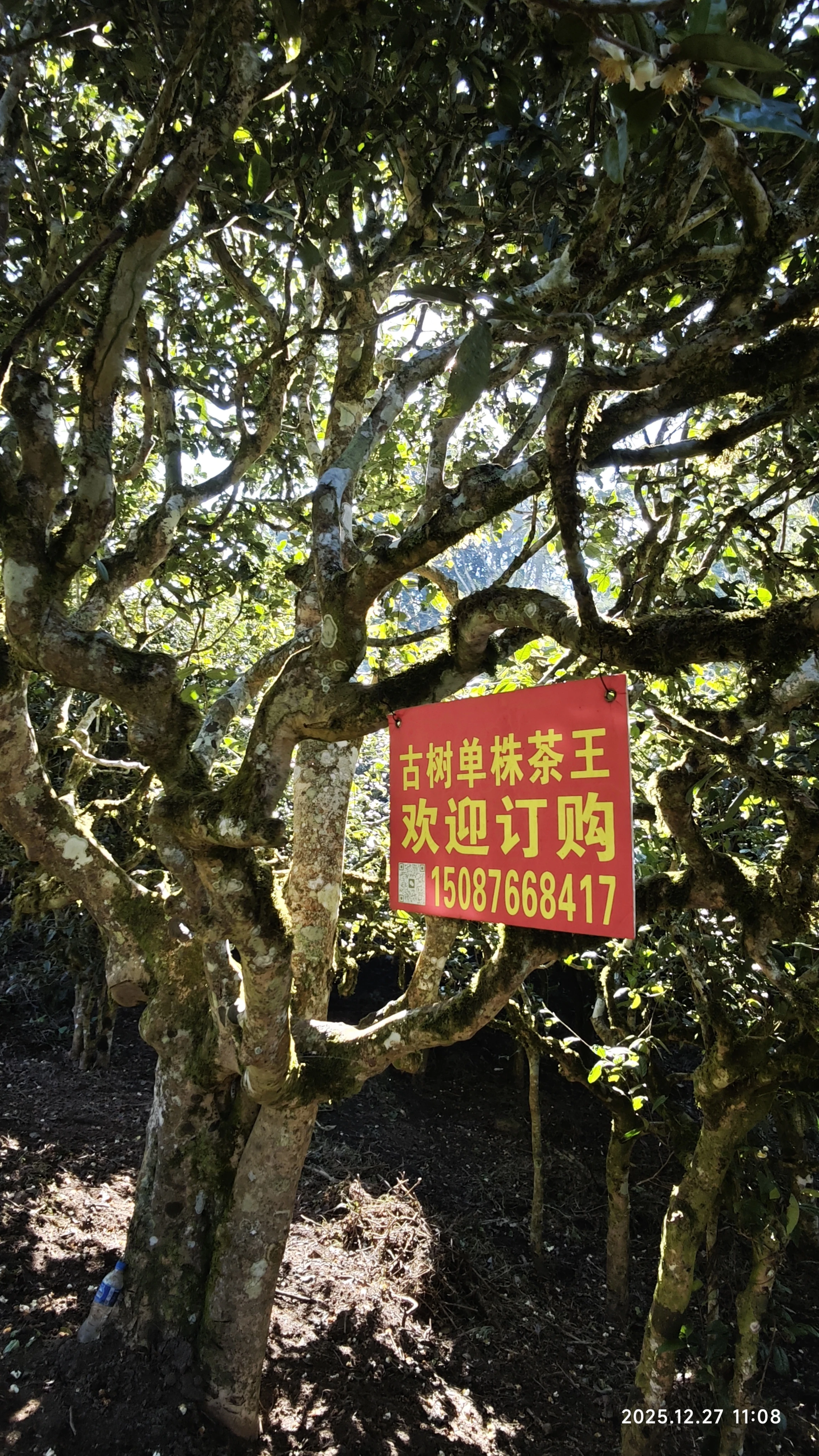
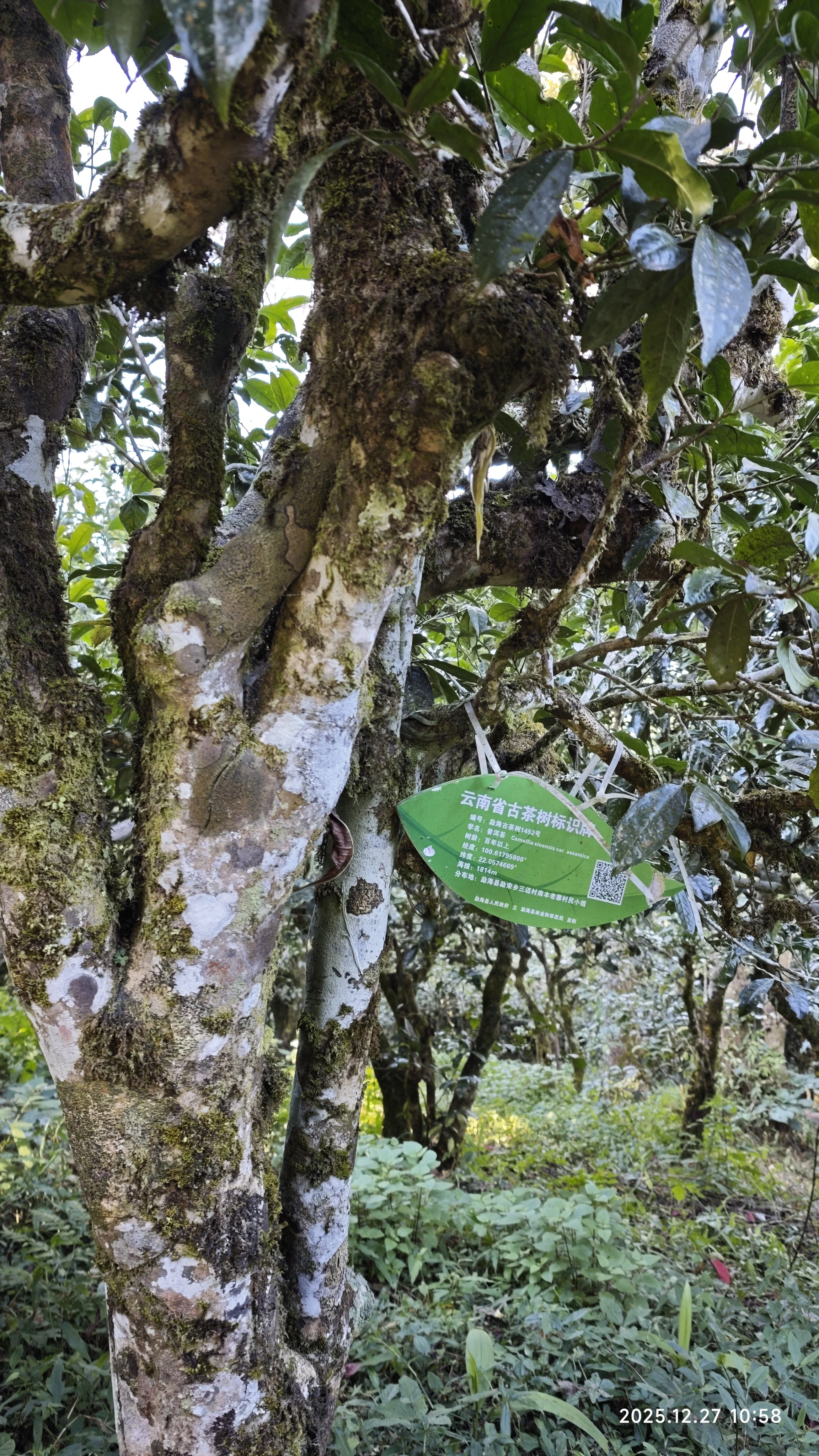
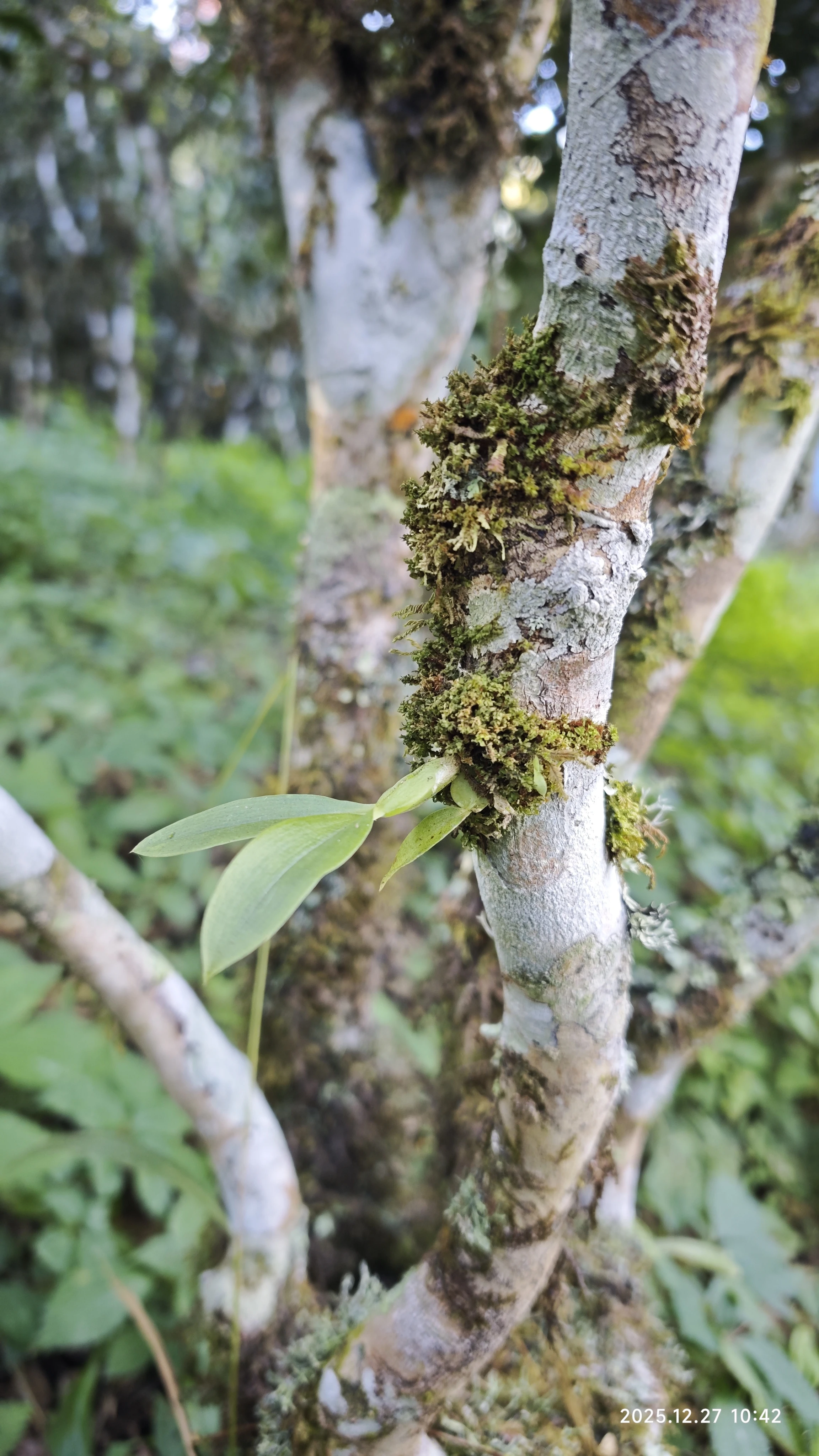
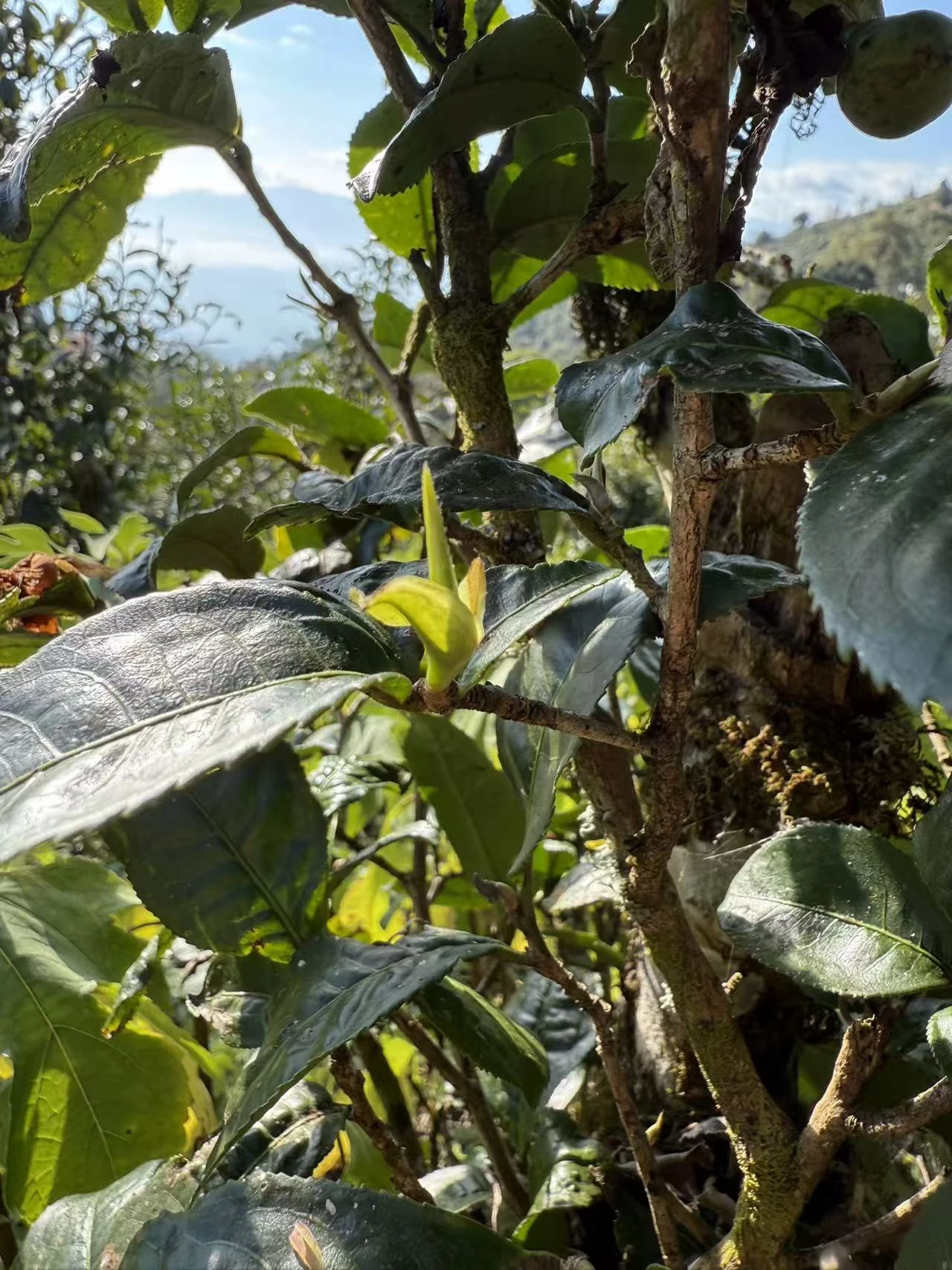
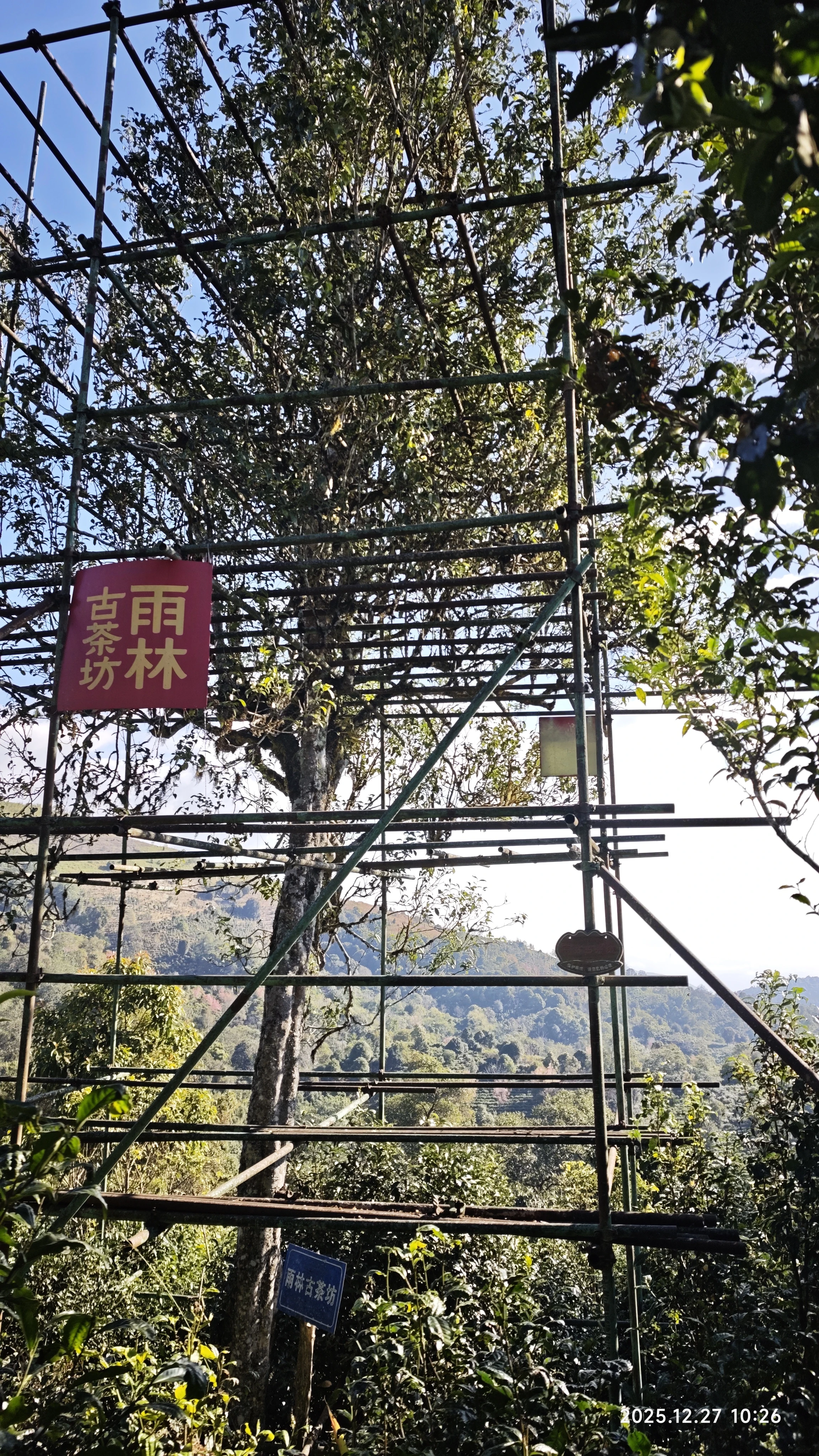
Photos 1 and 2 show the tea mountains, with groves of trees and dappled shade.
Photos 3–10 show ancient tea trees. Their canopies generally reach around 10 metres, with trunks measuring 0.3–0.5 cm. The trunks are sturdy enough for an adult to climb. Moss and other plants grow on the bark, and identification labels can be checked by scanning their QR codes.
Photo 6 shows a prized single-tree ‘King of Tea Trees’. Tea made from the fresh leaves of this one tree has a pure, full-bodied flavour. Because the yield is small, it is generally made to order.
Photo 10 shows an ancient ‘King of Tea Trees’, estimated to be 500–600 years old. Its canopy reaches around 50 metres, and its upright trunk is more than 0.6 metres thick. Yulin Guchafang has a long-term arrangement to reserve the fresh leaves harvested from this tree.
Initial Tea Processing
Yunnan has two tea-harvesting periods each year. The spring harvest usually lasts two weeks from early April, while the autumn harvest lasts about two weeks around late September. The exact timing varies with the year’s rainfall and weather.
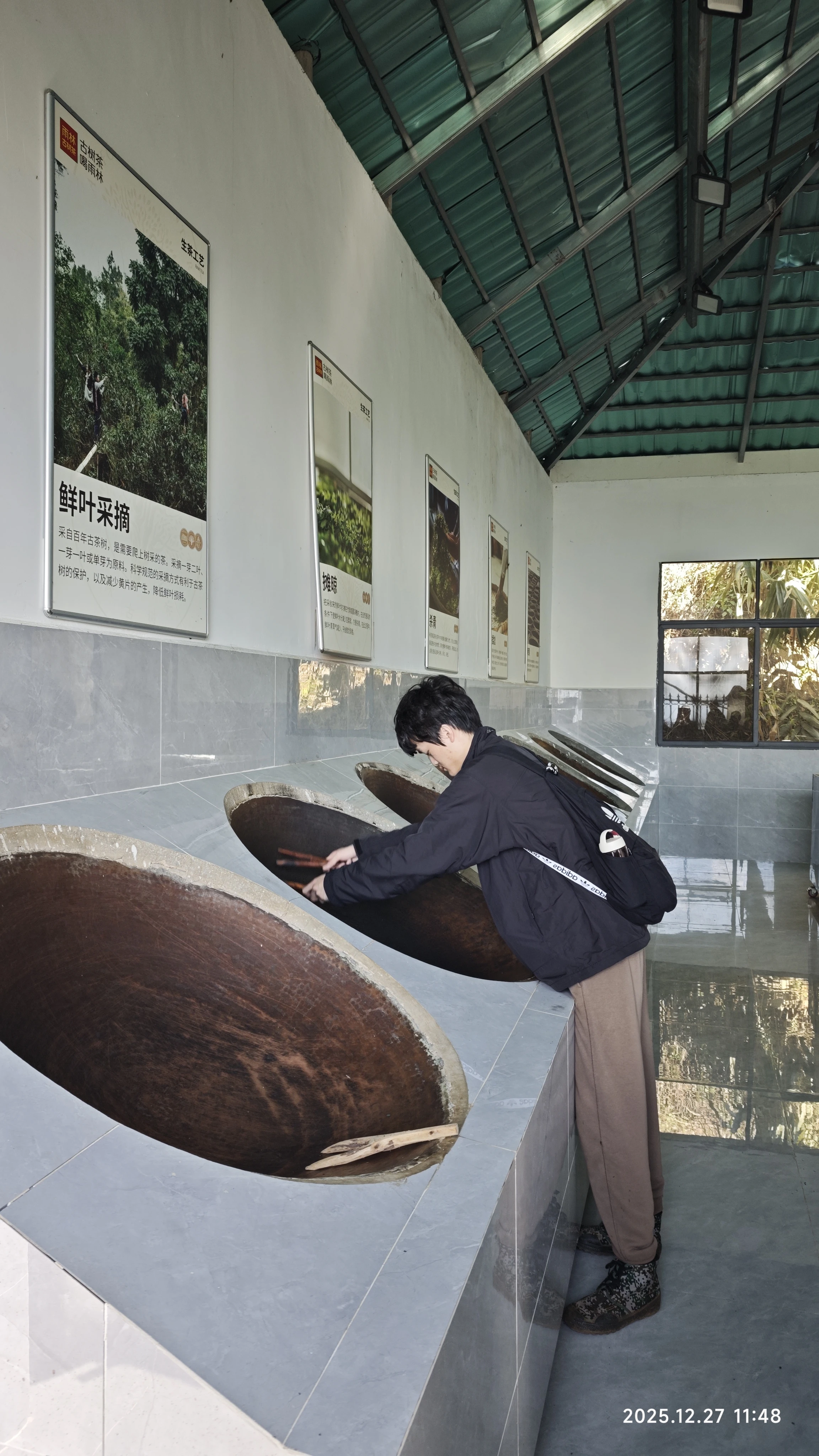
Tea farmers first pick the fresh leaves, then pan-fire them by hand in village workshops to produce maocha, or unfinished tea, before delivering it to tea factories.
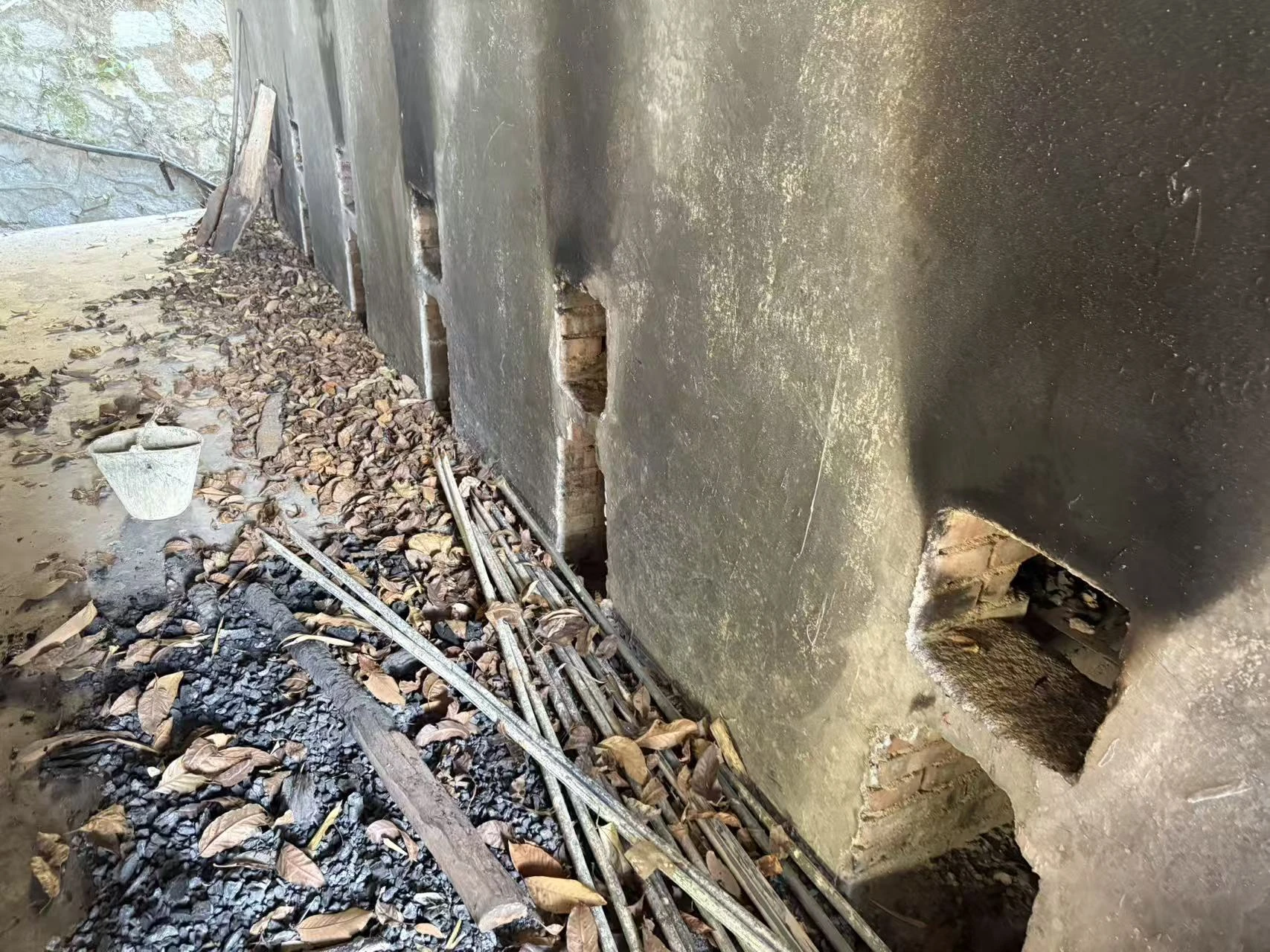
Using fixed iron woks, farmers turn the fresh leaves by hand and with small branches, which serve as tools to protect their hands. Once ready, the leaves are removed and spread out to cool, producing maocha. Heat control and the farmers’ experience are crucial. This stage of processing also involves practitioners who carry on intangible cultural heritage.
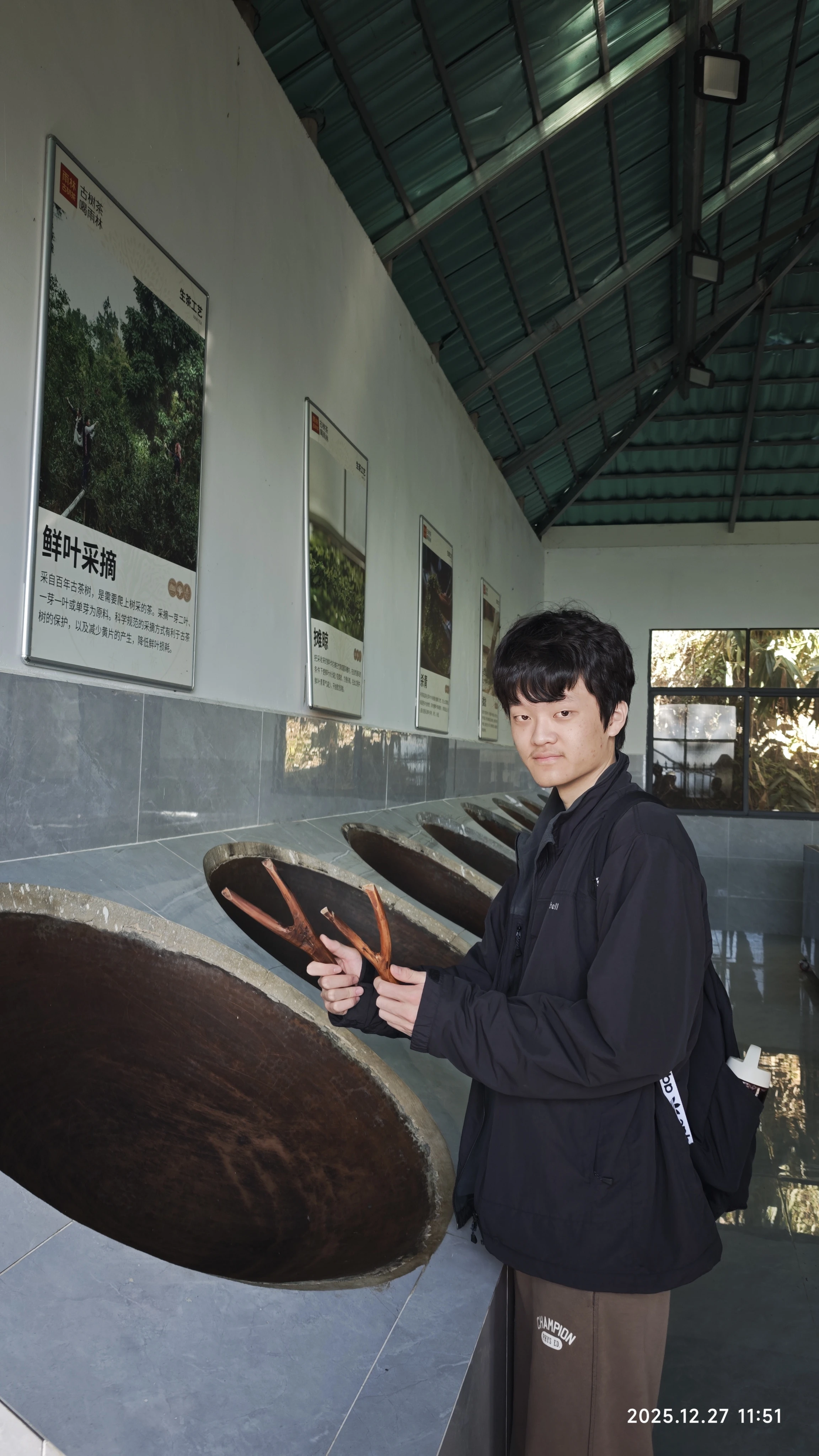
Making Tea Cakes
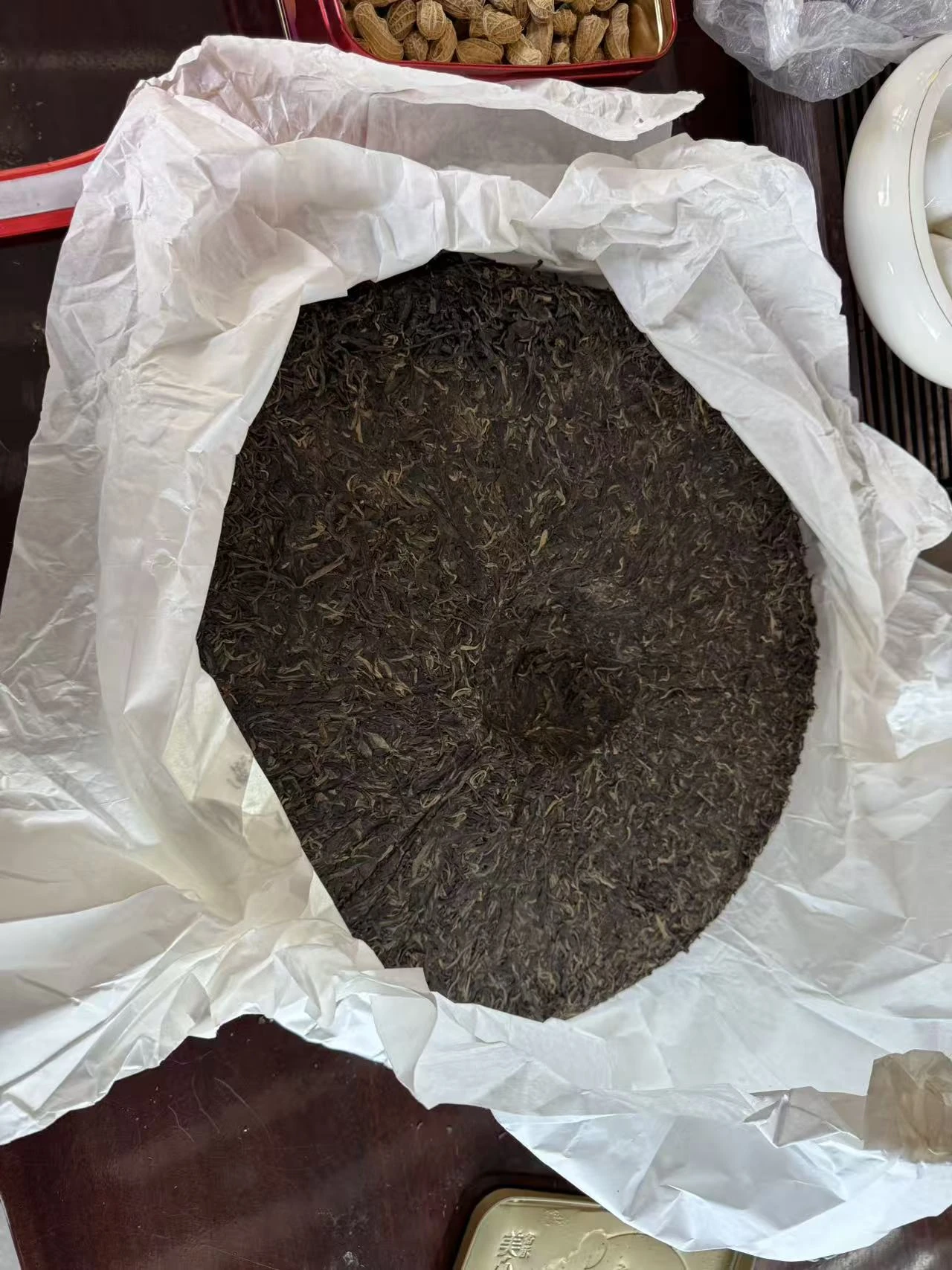
Yunnan pu’er tea is most often made into compressed cakes, which are convenient to store and help preserve freshness. Since the Qing dynasty, around 1636, the standard weight of a tea cake has been 357 grams.
The tea-cake production process includes:
- Select the type of tea, such as raw or ripe pu’er.
- Weigh the tea: 357 grams per cake.
- Soften the leaves with steam.
- Place the softened leaves in a mould to form the cake.
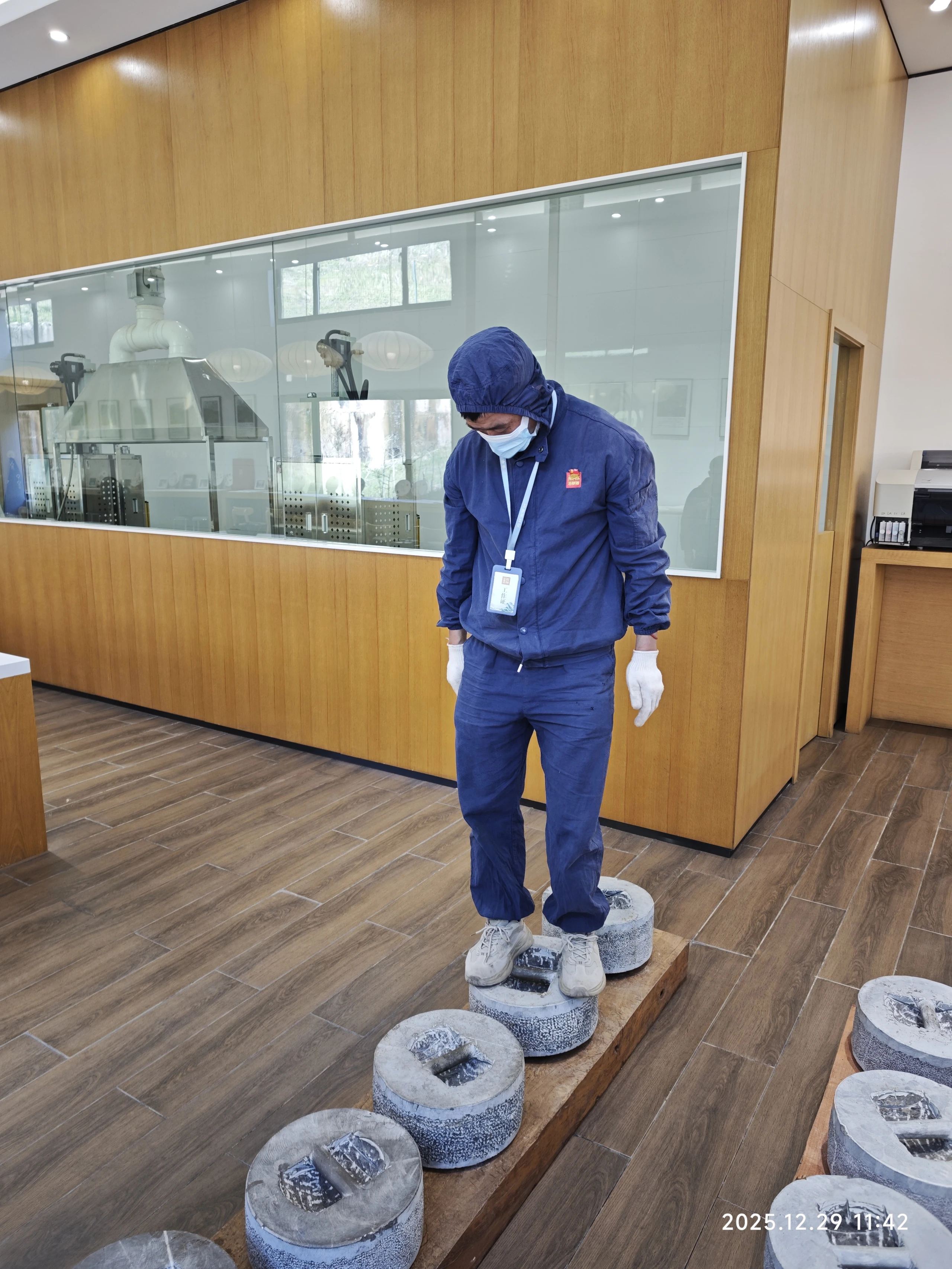
- Press under a stone weight for 30 minutes to compact the cake and help preserve its freshness.
- Dry at 50–60°C for 8–12 hours, retaining approximately 10% moisture.
- Package the finished tea cake.
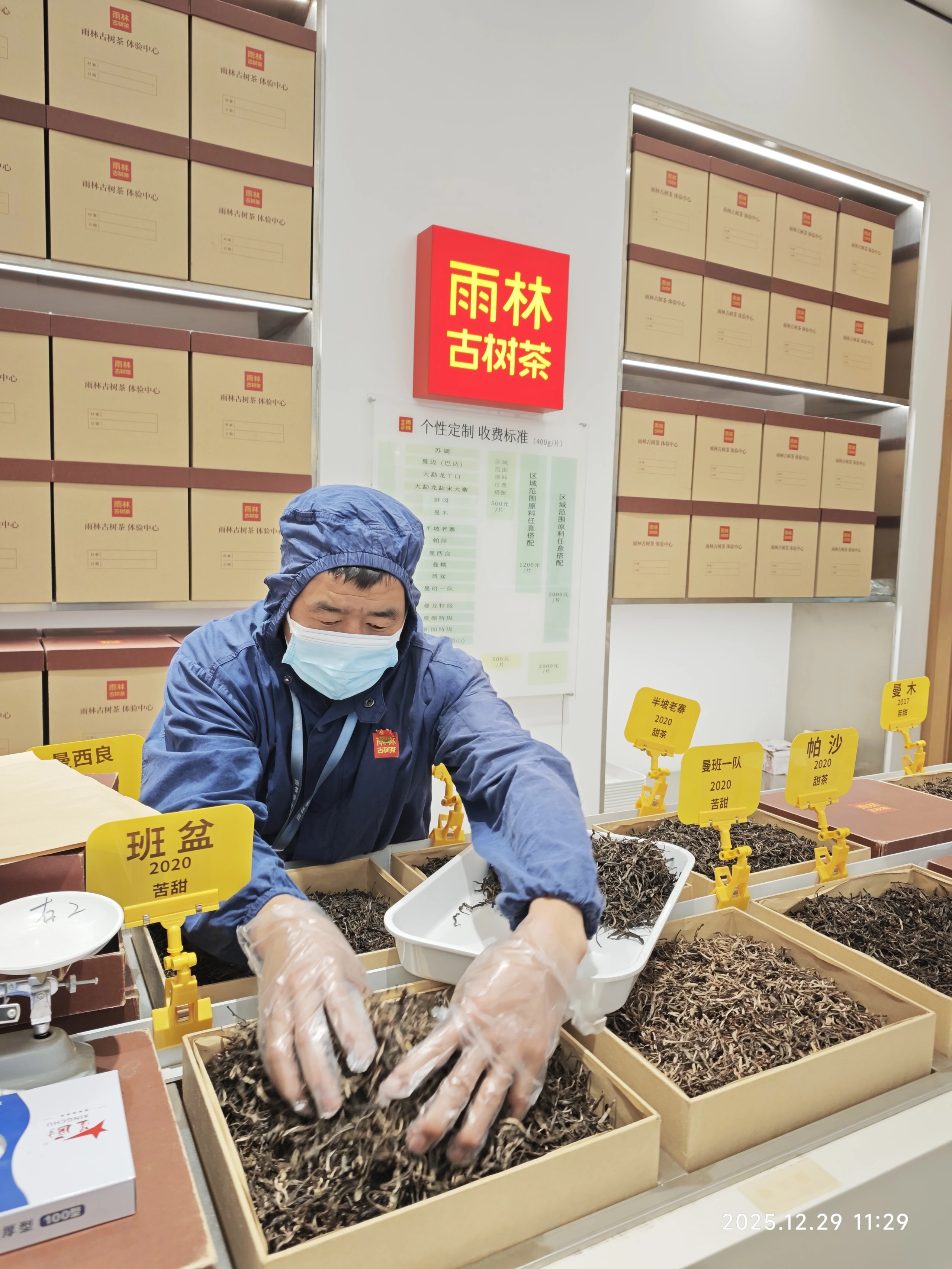
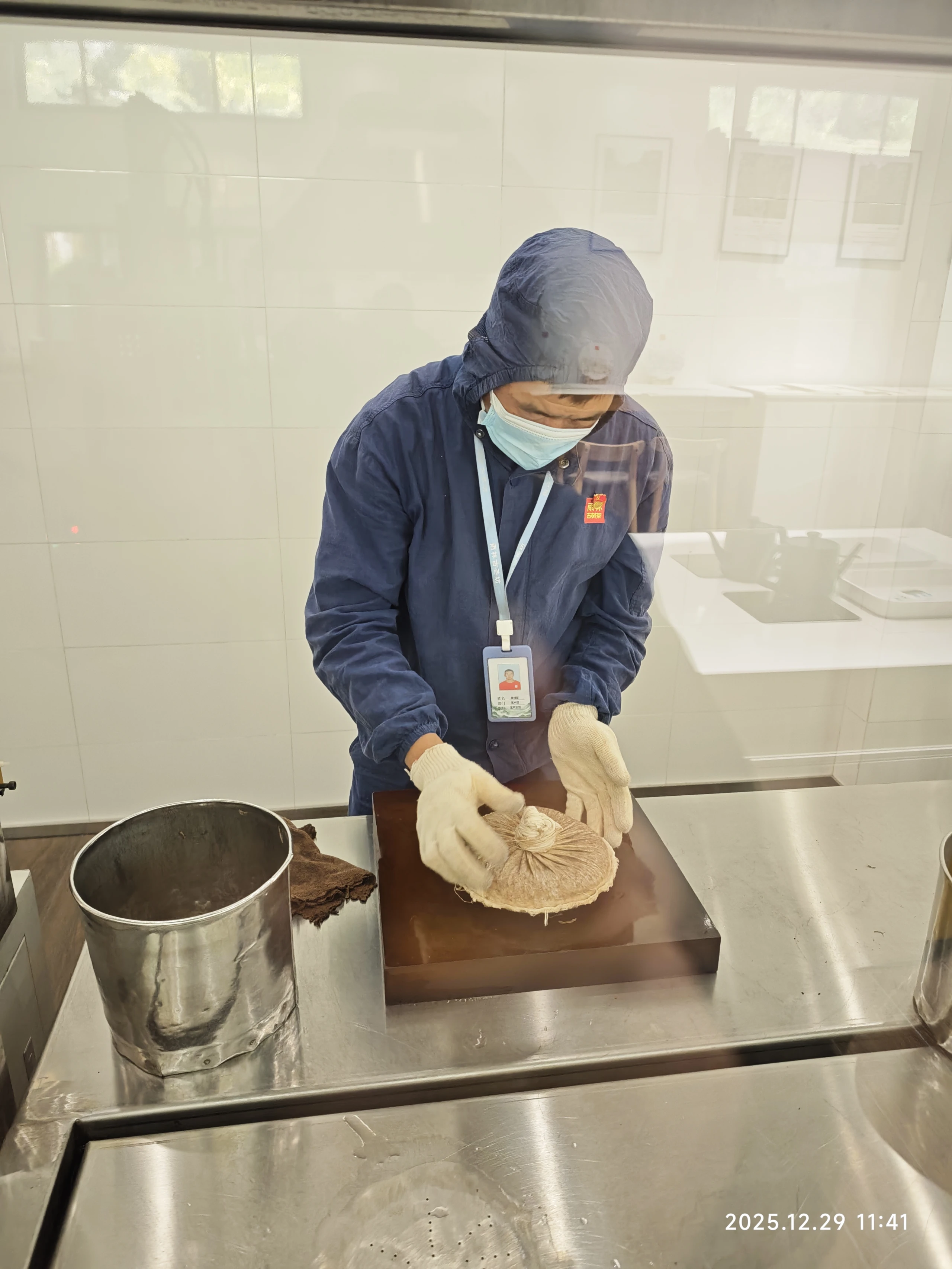
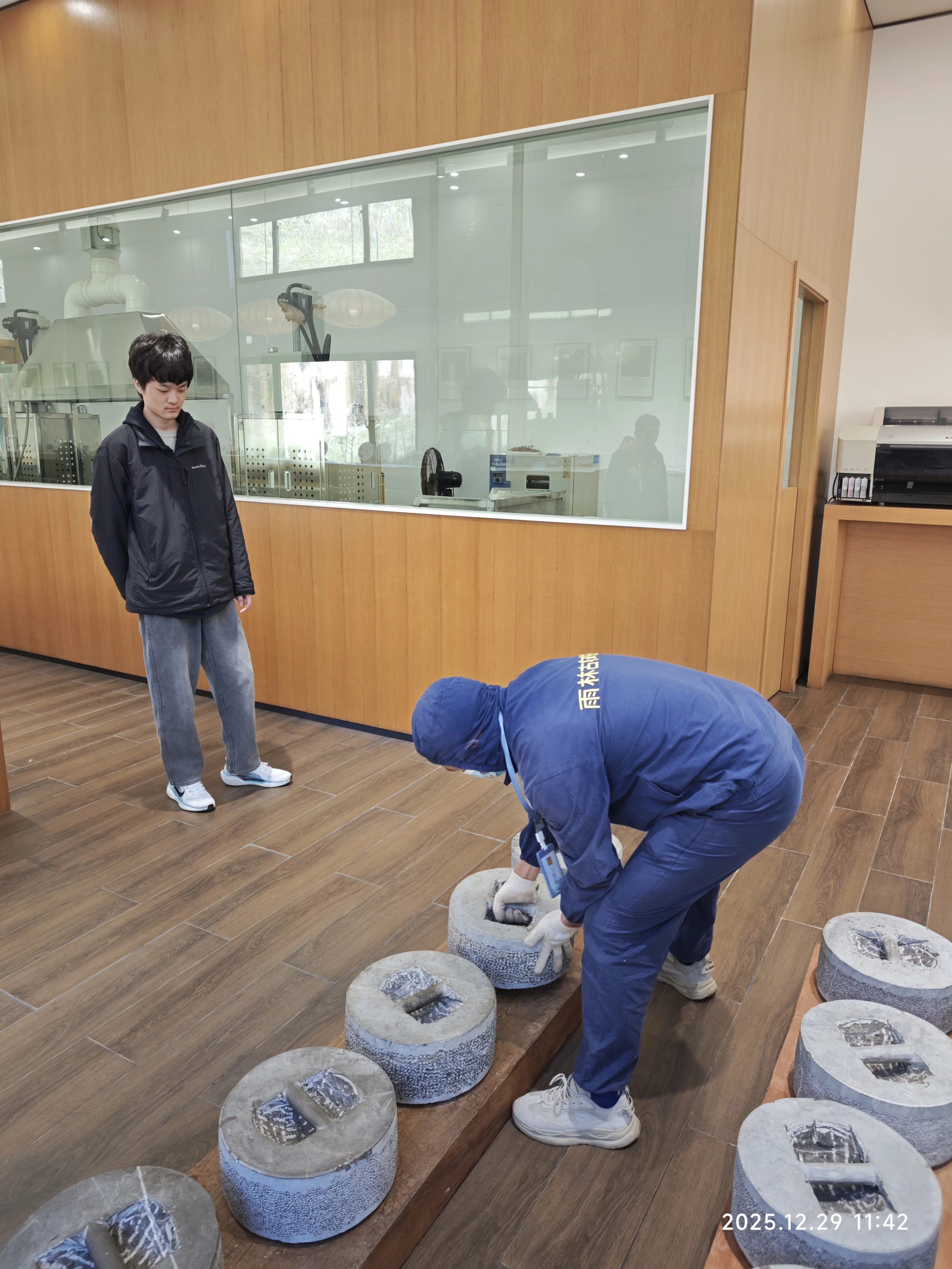
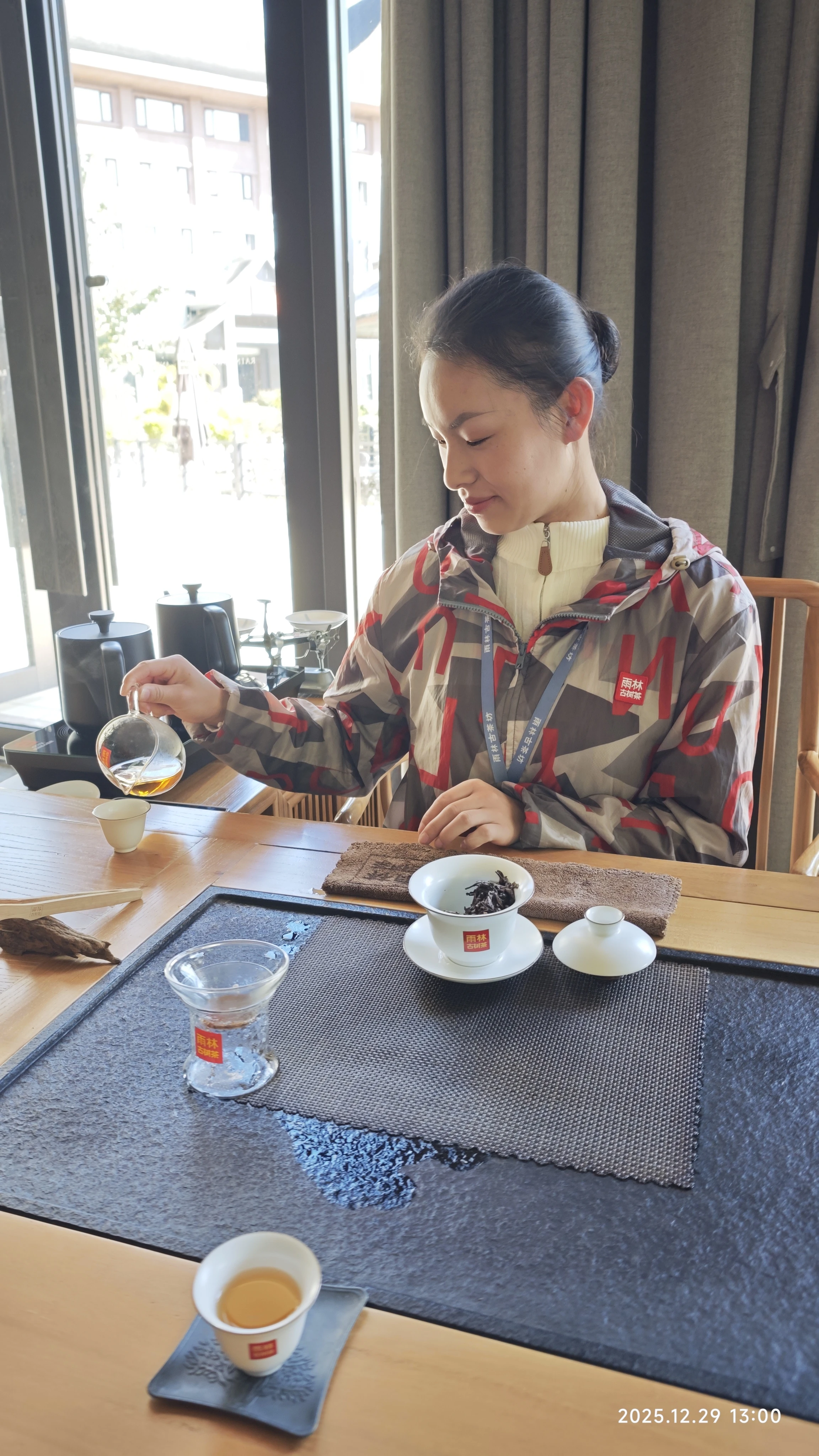
Brewing and tasting. The server rinses the leaves before brewing. The tea has a rich aroma, a golden liquor and a lingering sweet aftertaste.